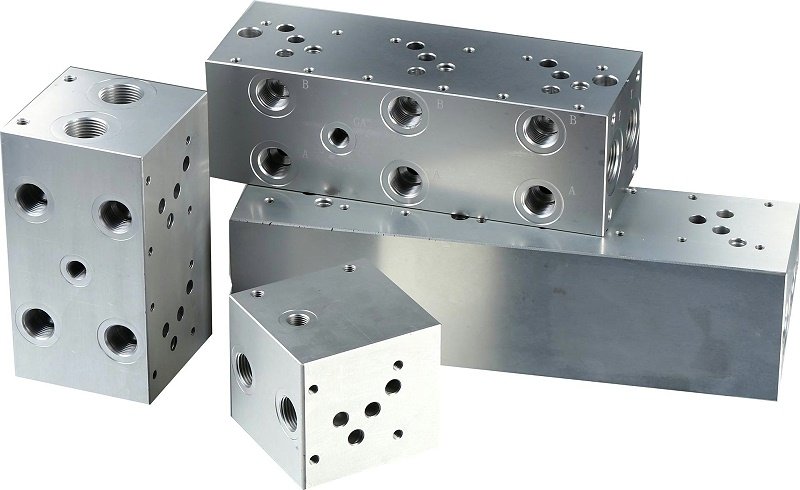


Aluminum, lightweight yet robust, is an indispensable material in modern industry. The 6061 aluminum alloy, with its excellent machinability and corrosion resistance, stands out as a top performer among the 6-series alloys. Through special heat treatment and pre-stretching processes, it becomes even stronger, with a wide range of applications from trucks to ships, from aerospace fixtures to precision instruments.
But the charm of aluminum alloys goes far beyond that. Through various aluminum surface treatment processes, we can explore more functional applications and more attractive looks.
Anodizing
Anodizing is an important process commonly used in the surface treatment of aluminum. Through electrochemical methods, a hard oxide layer is formed on the surface of the aluminum. The oxide film is produced autonomously from the surface of the existing aluminum material, which is a strong intermolecular connection, so the chemical characteristics are excellent, and the anodized aluminum parts are not only hard, but also wear-resistant and have excellent corrosion resistance. Anodic oxidation can also make the aluminum surface dyed into various colors so that aluminum products more colorful.

Sandblasting
Sandblasting can remove tiny burrs and oxide layers from the surface of aluminum materials, making the surface smoother and also enhancing the adhesion of subsequent coatings. The sandblasting process involves high-speed blasting of abrasives to physically polish the surface of aluminum, not only cleaning it but also creating fine concave-convex textures that improve the adhesion of coatings.

Spraying
Spraying processes allow aluminum surfaces to present different textures and colors. Whether it’s the metallic feel of case paint, the multi-angle changing colors of chameleon paint, or the electroplating effect of silver-plated paint, they greatly enrich the decorative effects of aluminum materials. Spraying processes also include rubber paint, conductive paint, UV varnish, and others, each type of coating giving aluminum different properties and visual effects.

Printing
Printing processes are also an important part of aluminum alloy surface treatment.
- Laser engraving technology can leave fine patterns and text on aluminum, with anti-counterfeiting functions.
- Water transfer printing is suitable for objects with complex shapes and can transfer natural patterns such as wood grain and stone grain.
- Thermal transfer processes use preheating and pressure to transfer patterns to the surface of the workpiece, with bright colors and strong adhesion.
Brushing
Brushing processes create straight or wavy patterns on the surface of aluminum through mechanical friction, not only serving a decorative purpose but also improving the surface properties of aluminum. There are various types of brushing patterns, such as straight lines, random lines, screw lines, and wave patterns, and the appropriate brushing method can be chosen according to decorative needs.

Electroplating
Electroplating processes add a layer of metal protection to the surface of aluminum, enhancing its wear resistance, conductivity, and decorative properties. Electroplated aluminum parts can have the surface effects of various metals such as stainless steel, gold, and silver.
These processes greatly broaden the application range of aluminum alloys. From industrial structural parts to precision instruments, from daily necessities to works of art, the presence of aluminum alloys can be seen everywhere. These surface treatment processes not only enhance the performance of aluminum alloys but also make our world more colorful.
Conclusion
As technology advances and processes innovate, the surface treatment technology of aluminum alloys is also progressing. In the future, we have reason to believe that aluminum alloys will bring us more possibilities and surprises with their outstanding properties and ever-changing appearances. Let’s wait and see the more exciting performances of aluminum alloys in the future.
Hydraflu HYD can supply hydraulic manifold blocks with all kinds of surface treatments listed above, if you need any assistance with hydraulic blocks, contact us via phone and email.